

RadioNet – the European Radio Astronomy Consortium – was established in December 2020 and consists of 25+ key radio astronomy institutes and infrastructures from Europe and beyond. These include all the major radio astronomy telescopes and arrays in Europe, covering a wide range of frequencies and angular resolutions. RadioNet acts to explore cooperative and strategic opportunities for the radio astronomy community.
The RadioNet Consortium is the continuation of a very successful collaboration of EU programmes over the last 20 years and is widely recognised. The RadioNet partners work together on the mechanisms and funding support (often from the EC) to deliver trans-national access to their infrastructures, on R&D to continually improve the capability of these facilities and to educate and train the scientific community to make the best use of these instruments.
News
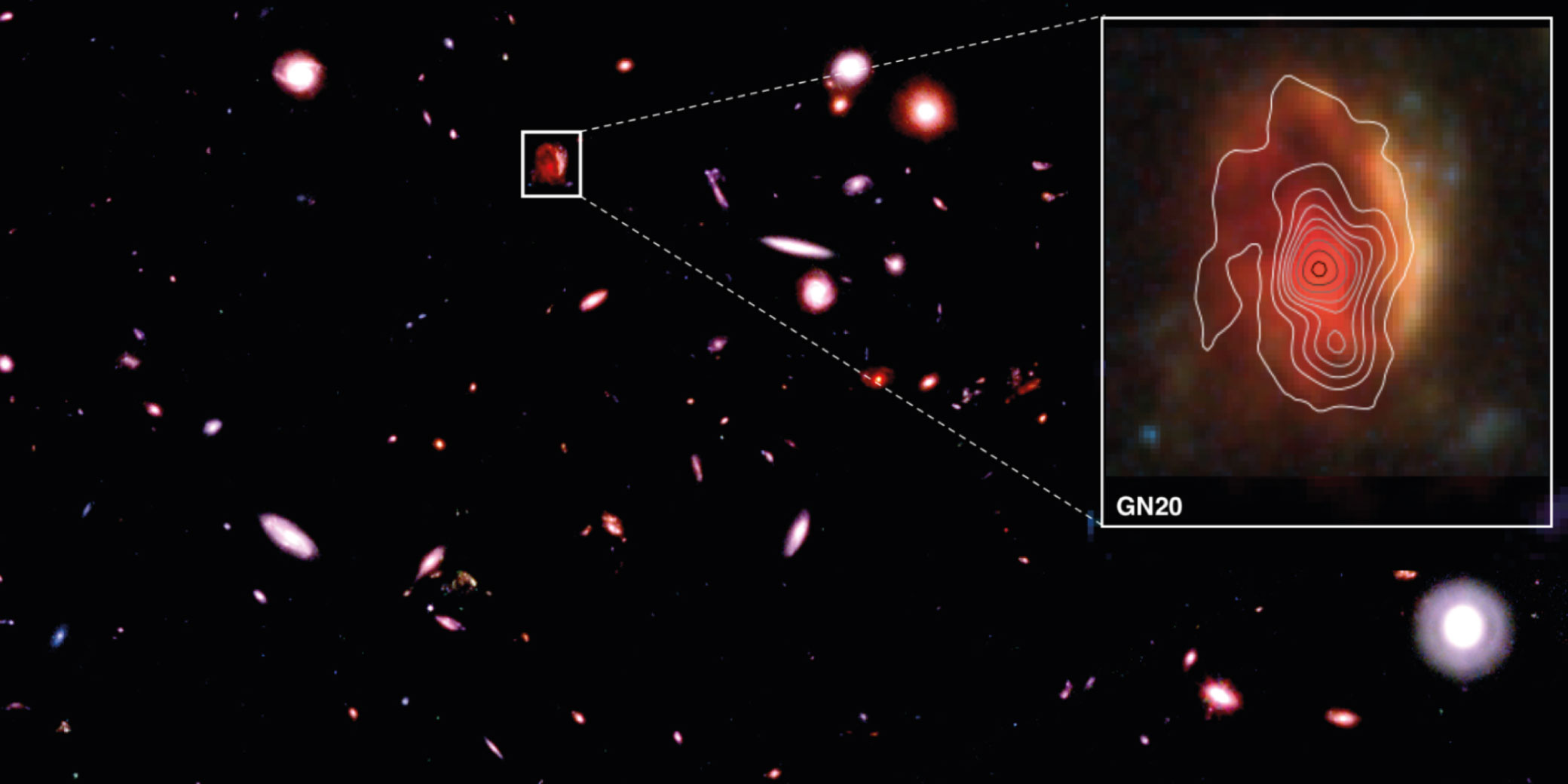
NOEMA and JWST reveal a stellar bar in the early Universe
Combining observations from the NOEMA interferometer and the James Webb Space Telescope (JWST), astronomers have discovered a stellar bar in GN20, a massive, gas-rich starburst galaxy observed as it was only about 1.5 billion years [...]
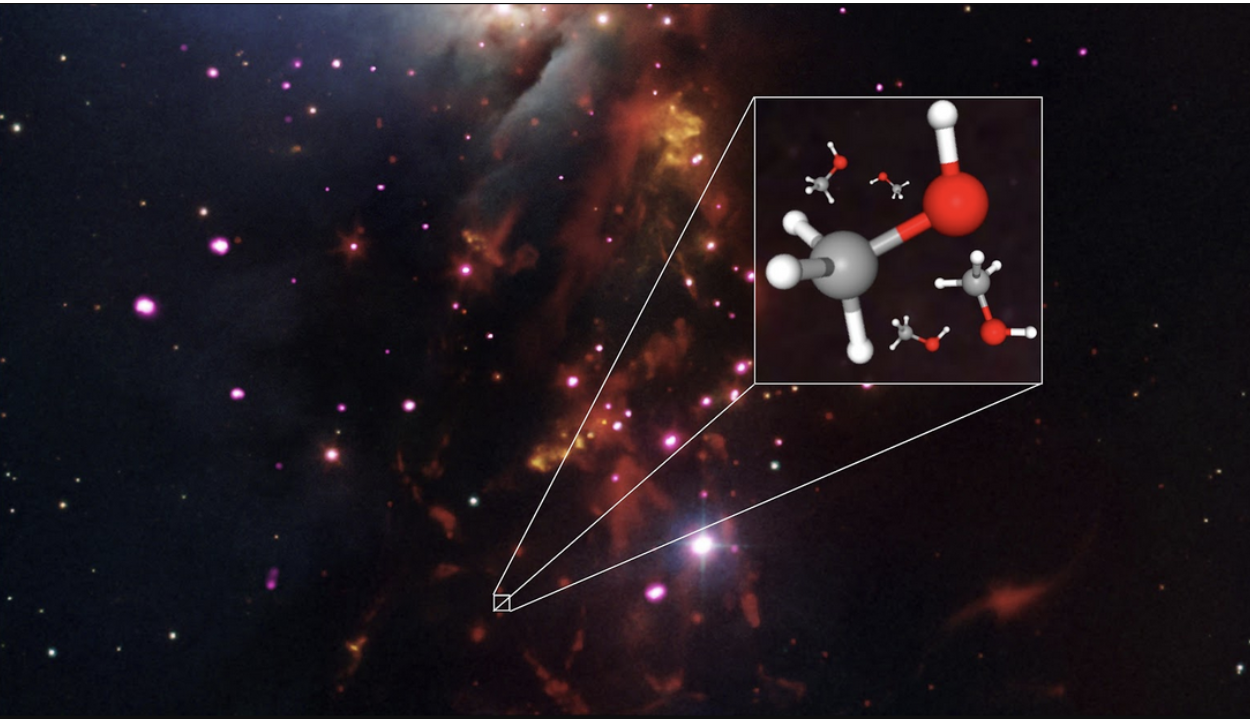
ALMA reveals rich organic chemistry around young stars
A major ALMA survey has revealed widespread methanol maser emission around young stars and achieved the first detection in space of fully deuterated methanol (CD₃OD). The findings provide new insights into the chemical processes taking [...]
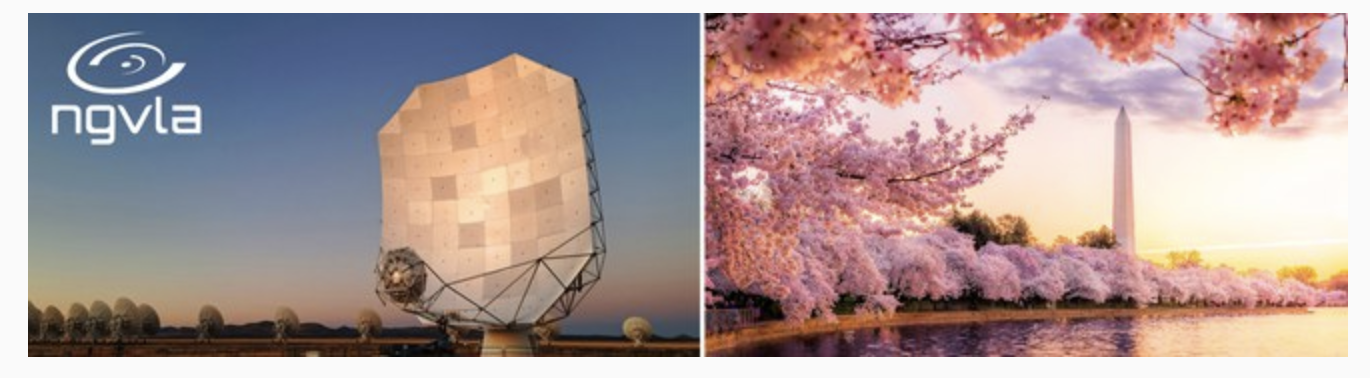
ngVLA High-resolution Frontier Workshop: Pulsars, Dynamic Universe, and Precision Astrometry
We invite the community to a three-day, in-person workshop in Washington DC, devoted to next-generation Very Large Array (ngVLA) science use cases that require the highest spatial resolution capabilities. March 22-24, 2027 - Johns Hopkins [...]
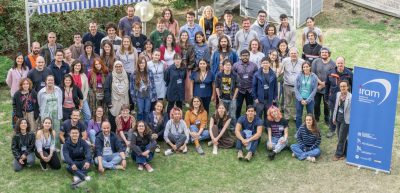
The 13th IRAM Millimeter Interferometry School
The 13th IRAM Millimeter Interferometry School took place from September 28 to October 3, 2026 in Grenoble, France. Over the course of the week, 53 researchers from 12 countries participated, 15% of them from outside [...]
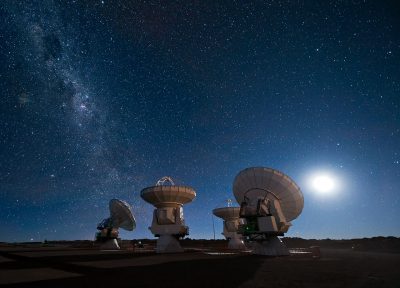
ALMA User Survey
ALMA User Survey ALMA is implementing the Wideband Sensitivity Upgrade [almaobservatory.org] (WSU) to address the ALMA 2030 Development Roadmap [doi.org] and keep ALMA at the forefront of astronomical discovery. The WSU will bring major observing improvements, including increased instantaneous [...]
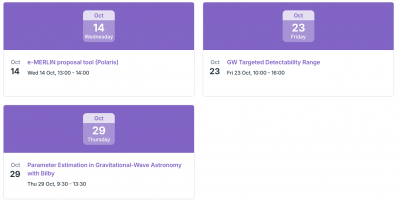
ACME – Centres of Expertise: Remote Tutorials and Hands-On Sessions
Dear colleagues, We are pleased to announce the upcoming calendar of remote tutorials and hands-on sessions to be held over the next three months. These activities are organized by multi-messenger experts from the Astrophysics Centre [...]
Job opportunities
Recent Tweets
Visit us on X